
If you’re like most people, you probably get several suspicious phone calls each week. These aren’t just annoying interruptions—they’re carefully designed traps meant to steal your money and personal information. Phone call scams have become one of the fastest-growing crimes targeting seniors, with fraudsters becoming more sophisticated every year.
The good news? Once you know what to listen for, these scams become much easier to spot and avoid. In this guide, you’ll learn:
- The most common phone scam tactics used against seniors
- Specific red flags that signal a fraudulent call
- Exactly what to say (and not say) when you get a suspicious call
- Step-by-step actions to protect yourself and your loved ones
Read on to learn how to recognize these scams before they cost you money.
What Are Phone Call Scams
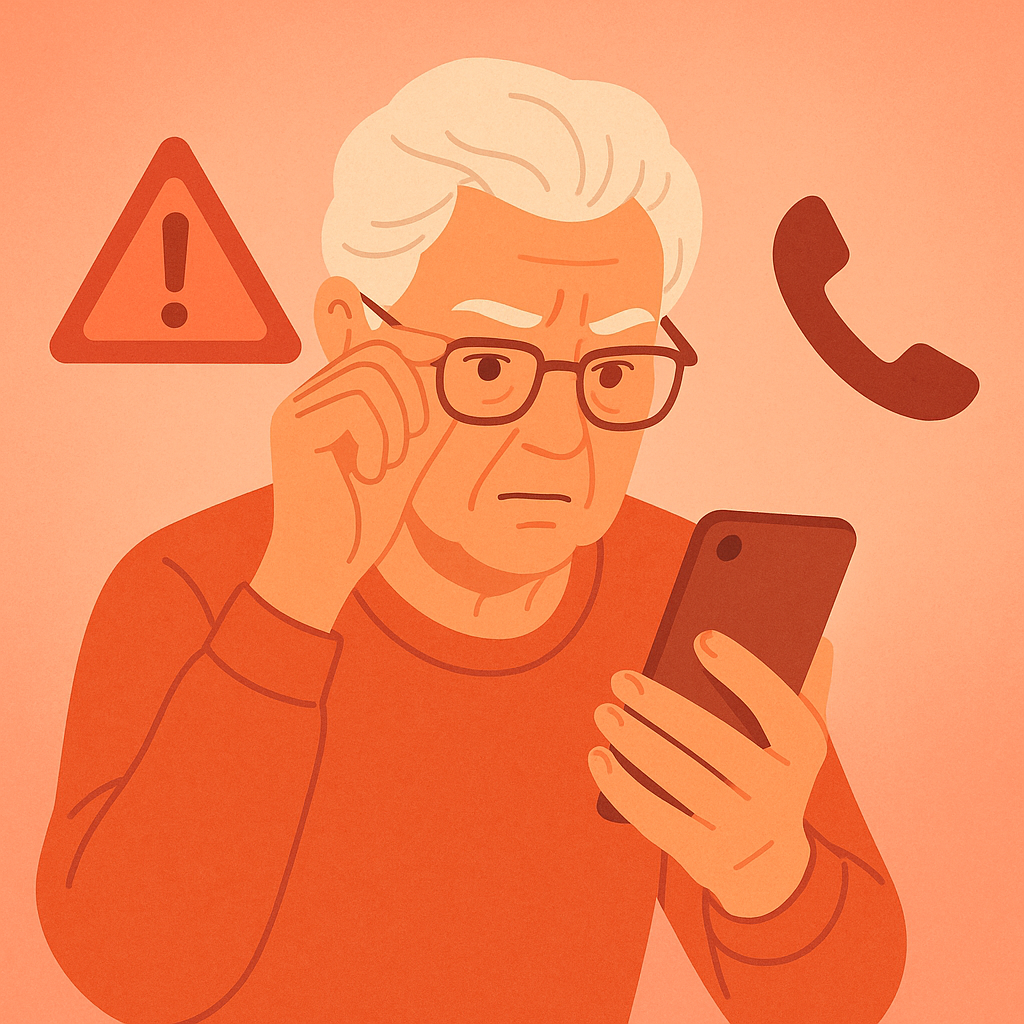
Phone call scams are fraudulent schemes where criminals call you pretending to be from legitimate organizations. They might claim to be from Microsoft, the IRS, Medicare, your bank, or even a family member in distress. Their goal is always the same: trick you into giving them money or personal information.
Think of these calls like a con artist showing up at your front door, except they’re using technology to seem more believable. They can make their caller ID show any name or number they want—a technique called “spoofing.”
- Tech Support Scams: “Microsoft” calling about your computer
- Government Impersonation: Fake IRS or Social Security calls
- Emergency Scams: Someone claiming your grandchild needs bail money
- Health Insurance Scams: Fake Medicare representatives
Why This Matters for You
Phone call scams aren’t just a minor nuisance—they’re a serious financial threat. According to FTC data, phone scams account for over 60% of all fraud reports, with adults over 60 losing an average of $1,500 per incident. Tech support scams alone increased by 30% between 2024 and 2025.
The financial losses are just the beginning. Victims often experience:
- Identity theft from sharing personal information
- Bank account drainage through wire transfers or gift card scams
- Emotional distress and loss of trust in legitimate services
- Repeated targeting once scammers know you’re vulnerable
The 7 Most Common Phone Call Scams
Understanding the specific tactics scammers use helps you recognize them immediately. Here are the seven most common phone call scams targeting seniors, along with the exact scripts they often use:
1. Tech Support Scams
“This is Microsoft calling. We’ve detected suspicious activity on your computer.” They’ll claim your device is infected and offer to “fix” it remotely—for a fee, of course.
2. IRS/Tax Scams
“This is your final notice. You owe back taxes and face immediate arrest unless you pay now.” Real government agencies never demand immediate payment or threaten arrest over the phone.
3. Grandparent Scams
“Hi Grandma/Grandpa, it’s me. I’m in trouble and need money right away, but don’t tell Mom and Dad.” They rely on your natural desire to help family.
4. Medicare/Health Insurance Scams
“We need to verify your Medicare information to send your new card.” They’re fishing for your Medicare number, which is as valuable as a Social Security number.
5. Fake Charity Scams
“We’re raising money for [recent disaster] victims.” They exploit your generosity, especially after natural disasters or tragedies make headlines.
6. Extended Warranty Scams
“This is your final notice about your car’s extended warranty.” These calls are so common they’ve become a running joke, but people still fall for them.
7. Social Security Administration Scams
“Your Social Security number has been suspended due to suspicious activity.” They create panic to make you act without thinking.
Practical Tips to Protect Yourself
- Hang up immediately if the caller creates urgency or pressure
- Never give personal information to someone who called you
- Don’t trust caller ID—scammers can fake any number or name
- Ask for a callback number and verify it through official channels
- Take time to think—legitimate organizations won’t pressure you
- Contact the real organization using numbers from their official website
- Never pay with gift cards—no legitimate business accepts these as payment
- Register with the National Do Not Call Registry at donotcall.gov
Pros and Cons of Common Protection Methods
Call Blocking Apps
Automatically filter known scam numbers and reduce interruptions.
Letting Unknown Calls Go to Voicemail
Legitimate callers will leave a message; scammers rarely do.
Hanging Up Immediately
Saves time and prevents emotional manipulation tactics.
May Miss Important Calls
Occasionally legitimate calls from doctors or family might be filtered.
Scammers Adapt Quickly
They constantly change tactics to bypass protection methods.
Frequently Asked Questions
What if the caller knows my personal information?
Scammers often have basic information like your name and address from data breaches. This doesn’t make them legitimate. Real organizations won’t call asking you to verify information they already have.
Should I engage with the caller to waste their time?
No. This can backfire by marking you as someone who answers and engages, leading to more scam calls. Simply hang up immediately.
Can I get in trouble for hanging up on a legitimate government agency?
Absolutely not. Government agencies like the IRS, Social Security, and Medicare primarily communicate through mail. They won’t penalize you for being cautious about phone calls.
What should I do if I already gave information to a scammer?
Act quickly: contact your bank, credit card companies, and relevant agencies. File reports with the FTC at reportfraud.ftc.gov and your local police. Monitor your accounts closely for unauthorized activity.
Final Thoughts
Remember: you have every right to hang up on any phone call that makes you uncomfortable. Legitimate businesses and government agencies understand that people are cautious about phone scams. When in doubt, hang up and call the organization back using a number from their official website. You don’t need to be rude—you just need to be smart. Your financial security is worth more than a few seconds of awkwardness.