

A fake package delivery text scam can feel believable because most of us really do order things online. The message may say a package is waiting, your address needs to be fixed, or a small fee must be paid before delivery.
The safest habit is simple: do not use the link in the message. Slow down, check the order from the store or delivery company directly, and only share information after you are sure you are on the real website or app.
This guide walks through the warning signs in plain language so you can handle package texts calmly, without guessing and without feeling embarrassed.
Why Fake Package Delivery Text Scams Matter
Delivery messages are common, so scammers use them to create a quick moment of confusion. They hope you will tap before thinking, especially if the message mentions a missed delivery, unpaid postage, a wrong address, or a package that may be returned.
The Federal Trade Commission warns that fake delivery texts may lead to look-alike websites that ask for personal or financial information. That can include your name, address, credit card number, or other details a scammer can misuse.
Package scams are one example of a broader problem. If you want a refresher on text-message warning signs, read our guide Is This Text Message Real or a Scam? before responding to any unexpected message.
Start With Avoiding Online Scams Basics
The goal is not to memorize every fake message. The goal is to build a small routine you can repeat: pause, check the source, avoid the link, and use a trusted route instead.
Look at how the message arrived
A real delivery update usually connects to an order you recognize. A suspicious one often arrives out of the blue, uses urgent words, or comes from a strange phone number, email address, or long web link.
Notice what the message wants from you
Be careful when a delivery message asks for payment, your full address, your Social Security number, account passwords, or credit card details. A small fee request can still be a trap if it sends your card information to a fake site.
Similar pressure tactics appear in many scams. Our article on fake Medicare emails, calls, and websites explains how scammers borrow trusted names to make a request feel official.
What to Check First for Fake Package Delivery Messages
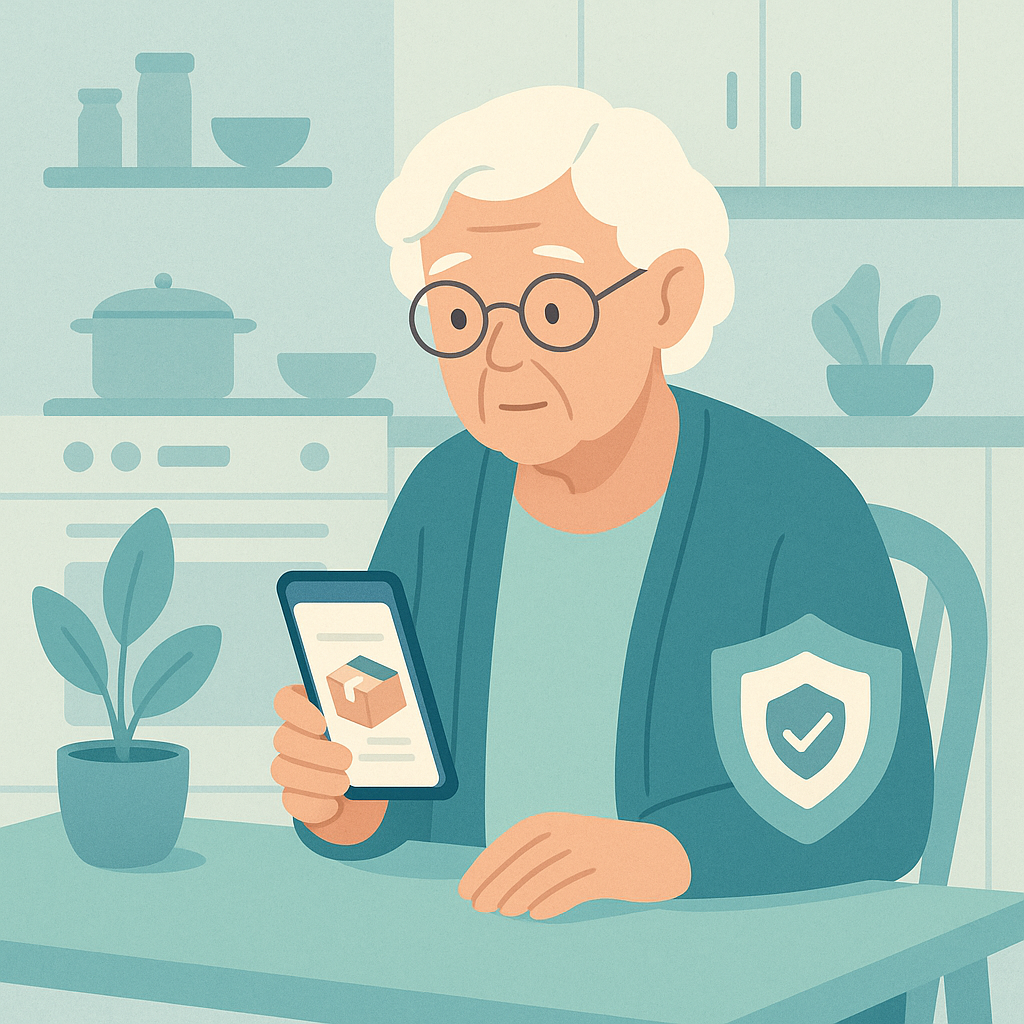
Start by asking one calm question: “Am I actually expecting this package?” If the answer is no, treat the message as suspicious. If the answer is yes, still verify through the store, app, or tracking number you already have.
The United States Postal Inspection Service explains that USPS text tracking is connected to a tracking request you start, and it says USPS will not send tracking texts with a link unless the customer initiated the service. You can review the current advice on the official USPIS smishing warning page.
After checking the official guidance, use these clues:
- Unexpected urgency: “Act now,” “delivery failed,” or “package will be returned” is meant to rush you.
- Unfamiliar link: A shortened, misspelled, or strange web address is a major warning sign.
- Payment request: A tiny redelivery fee can be used to collect your card number.
- Too much information requested: Delivery companies should not need your bank login, full identity details, or account passwords.
How to Handle Fake Package Delivery Messages Step by Step
If a delivery text worries you, follow this safer process:
- Do not click the link: Leave the message alone while you verify it.
- Open the store or delivery app yourself: Use the app already on your phone, a saved bookmark, or type the official website address manually.
- Check your order history: Look for a real order, tracking number, or delivery notice inside the account you trust.
- Compare the tracking details: If the message does not match an order you recognize, treat it as unsafe.
- Report the message: Use your phone’s report-junk option when available, or forward suspicious texts to 7726.
- Ask for help if money or personal information was shared: Contact your card issuer or bank using the number on your card or official statement.
Common Avoiding Online Scams Mistakes to Avoid
The most common mistake is treating the message as harmless because the requested fee is small. Scammers may care less about the fee and more about the card number, address, phone number, or other details typed into the fake page.
- Do not reply “STOP” to a suspicious message: If you do not know the sender, replying may confirm your number is active.
- Do not forward the link to a friend casually: If you need help, send a screenshot or read the message aloud without asking someone else to click.
- Do not trust logos alone: Fake pages can copy colors, names, and familiar-looking designs.
- Do not assume a message is real because you are expecting a package: Scammers send broad messages because many people are waiting for deliveries.
Pros and Cons of Checking Before You Click
Protects your card information
Verifying through the real store or delivery service reduces the chance of typing payment details into a fake page.
Reduces panic
A repeatable routine makes urgent texts feel less frightening and easier to handle.
Helps others too
Reporting suspicious texts can help phone providers and agencies identify scam numbers.
Takes an extra minute
Opening the real app or website takes a little longer than tapping the text link.
May require help at first
If you are not comfortable checking order history, a trusted person can sit with you the first few times.
A Simple Checklist
Use this checklist whenever a delivery message seems urgent:
- I did not click the text link: I used a safer route to check the delivery.
- I recognized the order: The package appears in my store account or delivery app.
- The website is official: I typed it myself or opened the app I already trust.
- No private details were requested: I did not share passwords, bank login details, or unnecessary identity information.
- I reported the suspicious text: I used report junk, forwarded it to 7726, or reported fraud when appropriate.
When to Get Extra Help
Get help if you clicked a link, entered card information, shared a password, or feel unsure about what happened. Do not wait because you feel embarrassed. Scammers design these messages to fool careful people.
The FTC says people should verify delivery information independently and avoid giving information through the message link. You can read the FTC’s current consumer alert on USPS-style delivery scam texts for official reporting and prevention guidance.
If you believe money or card information was shared, call your bank or card issuer using a trusted number. If the message was part of a broader scam attempt, our step-by-step guide on how to report an online scam can help you decide where to start.
Frequently Asked Questions
What should I check first in a package delivery text?
Check whether you are expecting a real package, then verify through the store or delivery company directly instead of using the link in the message.
How often should I review this habit?
Review it whenever a new delivery season starts, before holidays, or any time you receive a message that feels urgent or unusual.
What should I do if I am not sure?
Do not guess. Ask a trusted person to look at a screenshot with you, or go to the official company website or app yourself.
Can I undo a mistake if I clicked?
Sometimes you can reduce harm by acting quickly. Close the page, do not enter more information, change any exposed password, and contact your card issuer if payment details were shared.
Final Thoughts
A fake package delivery text scam works best when it makes you hurry. Your best protection is the opposite: slow down, avoid the link, and check from a source you already trust.
You do not have to be a technology expert to stay safer. A calm pause, one independent check, and a willingness to ask for help can prevent a small-looking message from becoming a much bigger problem.