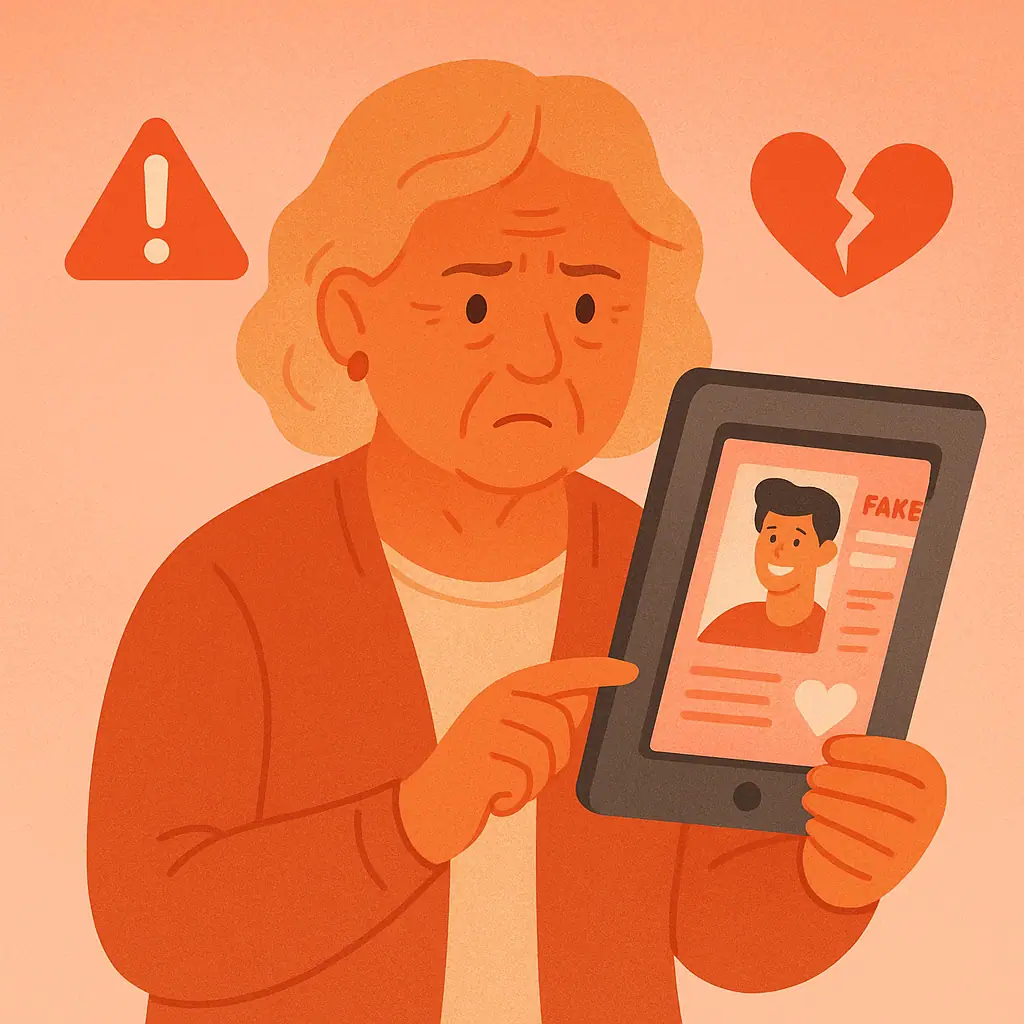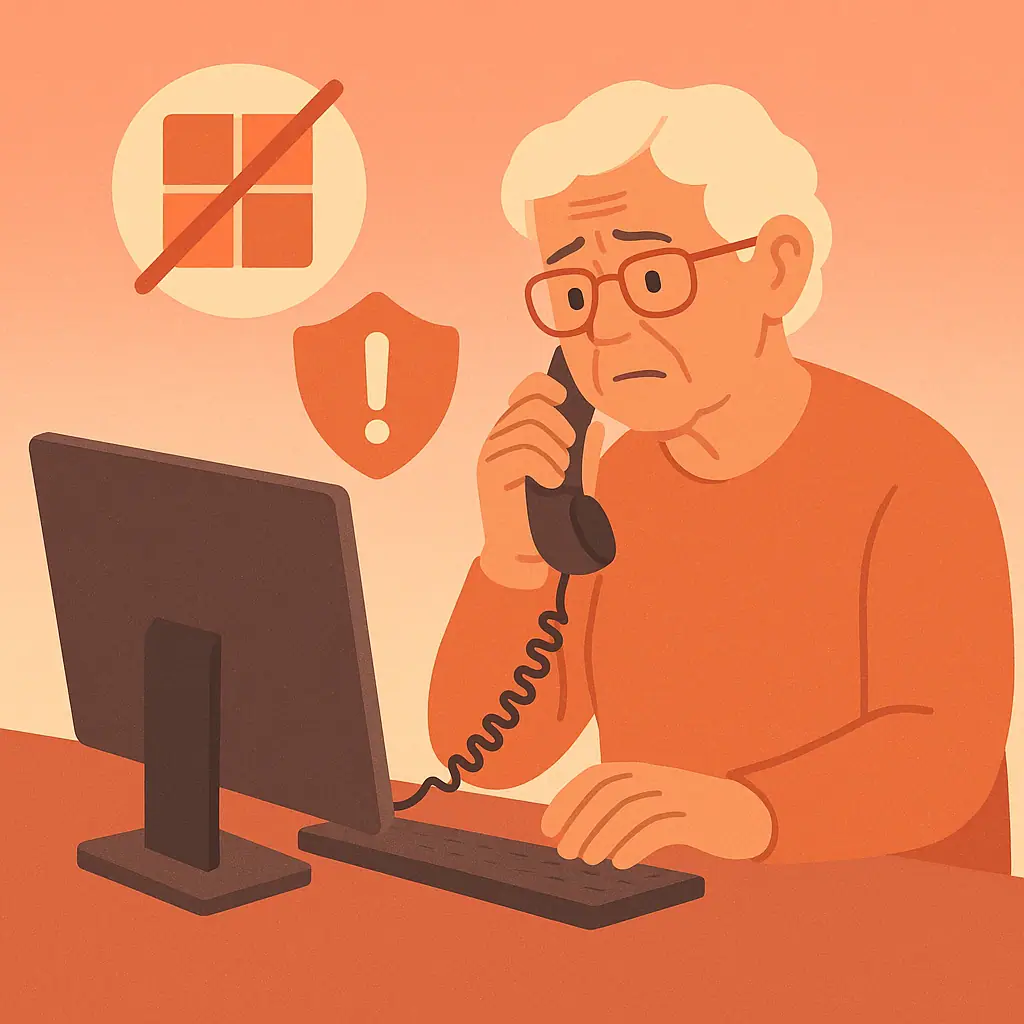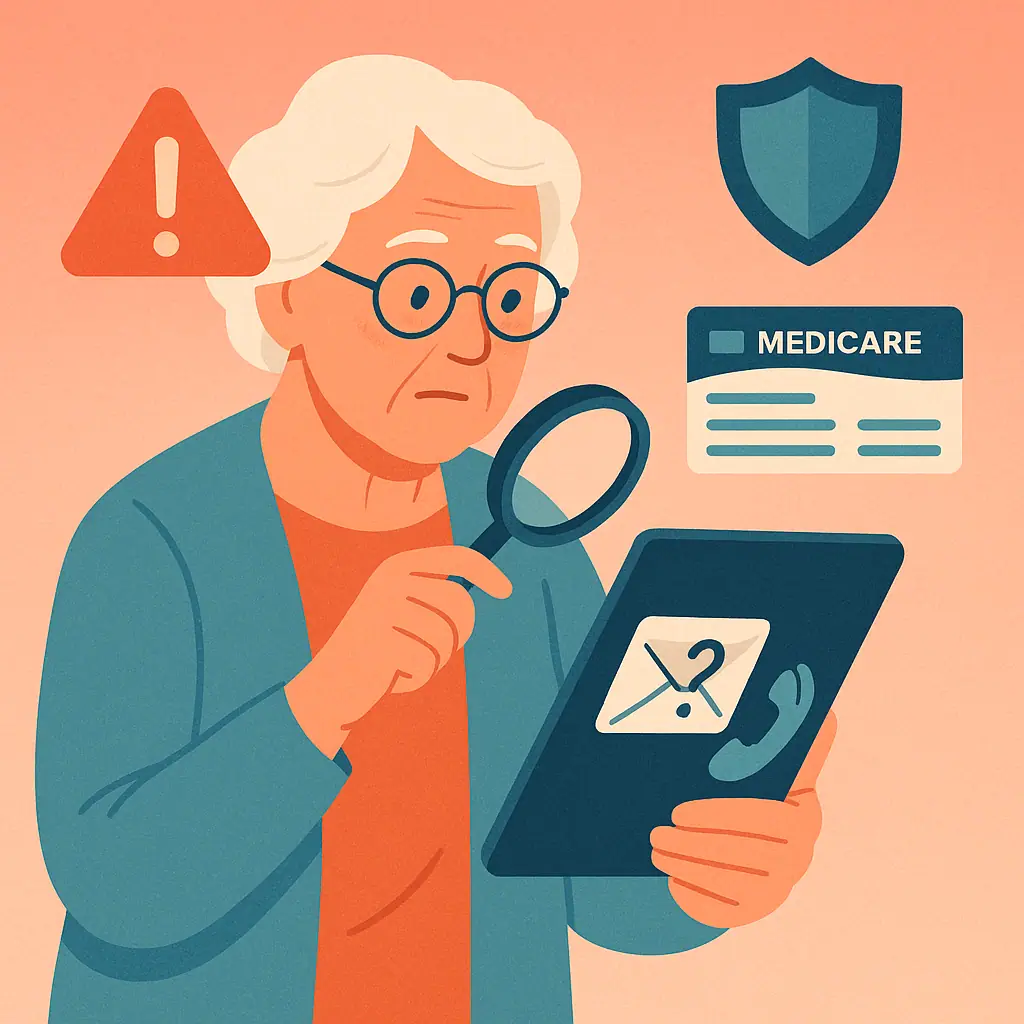
Fake Medicare scam warning signs can appear in a phone call, an email, a text message, a social media message, or even a website that looks official at first glance. The goal is usually the same: someone wants your Medicare Number, Social Security Number, bank information, or payment before you have time to think.
The good news is that Medicare scams often follow familiar patterns. Once you know the patterns, you can pause, check the message safely, and avoid giving private information to the wrong person.
Think of your Medicare Number like a house key. You may show your Medicare card to your doctor, pharmacy, or health plan when needed, but you would not hand that key to a stranger who knocked on your door and sounded urgent.
What Are Fake Medicare Scam Warning Signs?
Fake Medicare scam warning signs are clues that a message may not really be from Medicare, your health plan, or a trusted medical provider. Scammers may use official-looking logos, friendly voices, medical words, or caller ID names that appear believable. Some may even know your name or basic information.
Watch for these warning signs:
- Unexpected contact: someone calls, emails, texts, or messages you first and asks for private information.
- Pressure: they say your benefits will be canceled, your card must be replaced today, or you must act immediately.
- Requests for numbers: they ask for your Medicare Number, Social Security Number, bank account, credit card, or online login.
- Free offers: they offer free medical equipment, tests, braces, genetic screening, or gift cards in exchange for your Medicare information.
- Payment demands: they say you must pay for a new Medicare card, shipping fee, verification fee, or missed deadline.
The Federal Trade Commission explains that scammers often pretend to be from organizations people already know, including government agencies. That is why the message may sound official even when it is not.
Why Medicare Scams Can Be So Convincing
Medicare is important, and scammers know that. A message about health coverage naturally gets attention, especially if it mentions prescriptions, doctor visits, a new card, or losing benefits. Scammers use that concern to make people react quickly.
Medicare.gov says you should protect your Medicare card, Medicare Number, and other personal information, and review Medicare claims regularly. The site also warns that Medicare will not call, email, text, or message you on social media to sell something or ask you to pay for your Medicare card.
The Department of Health and Human Services Office of Inspector General also warns that medical identity theft can happen when someone uses your personal information, such as your name, Social Security Number, or Medicare Number, to submit false claims.
How to Check Medicare Calls Before You Answer Questions
Phone scams can feel personal because there is a real person on the line. The caller may sound polite, professional, or worried about helping you. They may say they are from Medicare, a Medicare Advantage plan, a pharmacy, a medical equipment company, or a benefits office.
What real Medicare contact usually does not sound like
Be careful if the caller says you need a new card, a replacement number, a benefit review, a free medical device, or a refund but then asks you to confirm private information. Medicare says it will never call you uninvited and ask for personal or private information.
A safer way to respond
You do not have to argue with the caller or prove anything. A simple sentence is enough: “I do not give Medicare information on incoming calls. I will call Medicare or my plan directly.” Then hang up. Use the number on your official card, plan documents, or Medicare.gov instead of any number the caller gives you.
If you are worried the call might be real, write down the caller’s name, company, phone number, and what they asked for. Then check with Medicare, your plan, your doctor’s office, or a trusted family member before taking action.
How to Recognize Fake Medicare Emails and Texts
Fake Medicare emails and texts often try to make you click a link. The message may say you have a new document, a benefits update, a refund, a delivery, a coverage warning, or a security problem. Some messages use Medicare colors, logos, or official-sounding language.
Before clicking, slow down and check:
- The sender: look for odd spelling, extra words, or addresses that do not match the real organization.
- The link: on a computer, hover over the link without clicking. On a phone, press carefully to preview only if you know how to do so safely.
- The greeting: vague greetings like “Dear customer” can be a clue, though some scams use your real name.
- The request: be suspicious of any message asking for Medicare, Social Security, bank, or credit card information.
- The emotion: urgency, fear, prizes, and threats are common scam tools.
How to Check a Medicare Website Before You Enter Information
Fake websites may copy Medicare wording or use names that sound official. Some appear in search results or arrive through ads, emails, or text messages. A fake website may ask you to enter your Medicare Number to get a new card, compare plans, claim a benefit, or receive free equipment.
Use this quick website check before typing anything private:
- Look at the address bar: the official Medicare website is Medicare.gov. Be cautious with extra words, misspellings, or strange endings.
- Avoid sponsored pressure: ads can lead to private companies, lead forms, or scams. Official information does not need to scare you into acting now.
- Check the request: a site that immediately asks for your Medicare Number, Social Security Number, or payment deserves extra caution.
- Use trusted entry points: start from Medicare.gov, your plan’s official website, or documents mailed by your plan.
If you accidentally entered information on a suspicious website, write down what you shared and when. Then call Medicare or your plan directly and ask what steps to take next.
Pros and Cons of Responding Quickly
Gives you time to verify
A short pause lets you call Medicare, your plan, or your doctor using a trusted number instead of relying on the message.
Protects your Medicare Number
Scammers cannot bill Medicare or impersonate you as easily if they never get your private details.
Reduces panic decisions
You are less likely to click, pay, or share information just because someone sounded urgent.
Can expose medical identity information
Your Medicare Number may be used for false claims, unwanted services, or other fraud.
May lead to payment loss
Fake fees, gift cards, wire transfers, or payment apps can be difficult to reverse once money is sent.
Can create more scam contact
Responding may tell scammers that your phone number or email address is active.
Frequently Asked Questions
Will Medicare call me and ask for my Medicare Number?
Medicare says it will not call you uninvited and ask for personal or private information. If you are unsure, hang up and call 1-800-MEDICARE yourself.
Is a new Medicare card ever something I must pay for?
No. Be suspicious of anyone who says you must pay a fee for a new Medicare card or provide bank information to keep your benefits.
What if the caller ID says Medicare?
Caller ID can be faked. Treat the call as unverified and use a trusted phone number from Medicare.gov, your Medicare card, or official plan documents.
Where can I report suspected Medicare fraud?
You can call 1-800-MEDICARE. The HHS Office of Inspector General also accepts fraud hotline reports, and your local Senior Medicare Patrol can help with suspicious charges.
Final Thoughts
Fake Medicare scam warning signs are easier to spot when you remember one calm rule: do not share private Medicare information with someone who contacted you unexpectedly. Real help can wait while you verify. Scammers are the ones who try to rush you.
If a call, email, text, or website makes you feel pressured, pause and use a trusted route back to Medicare or your health plan. That small pause can protect your benefits, your identity, and your peace of mind.
Helpful sources: Medicare.gov fraud and abuse guidance, FTC advice on government impersonation scams, and HHS OIG medical identity theft information.