

Gift card scams warning signs often appear during a stressful moment. Someone may call, text, email, or message you online and say you must pay right now. They may pretend to be from the government, a utility company, tech support, a bank, or even a family member in trouble.
The important thing to know is simple: gift cards are for gifts, not for paying fines, taxes, bills, computer repairs, prize fees, or emergencies demanded by a stranger. If someone tells you to buy a gift card and read the numbers from the back, pause before you do anything else.
Why This Matters
Scammers like gift cards because they are fast, familiar, and hard to reverse once the code is shared. The card itself may look harmless at the store. The danger begins when someone pressures you to reveal the card number and PIN over the phone, by text, by email, or in an online chat.
The Federal Trade Commission explains that if someone tells you to buy a gift card and give them the numbers, it is a scam. You can review the FTC’s official guidance on avoiding and reporting gift card scams before taking action.
Start With Avoiding Online Scams
Gift card scams can arrive through many channels: a phone call, a text message, a social media message, an email, a fake pop-up warning, or a message from a hacked account. The story changes, but the payment demand is usually the same.
If the message says there is a Medicare problem, an unpaid bill, a frozen account, a family emergency, or a prize waiting for you, slow down. Our guide to recognizing fake Medicare emails, calls, and websites shows how scammers use official-sounding language to make people act quickly.
Gift card scams also borrow emotion from other scams. A romance scammer, for example, may ask for cards after building trust. If that concern feels familiar, read our plain-language guide to romance scam warning signs later, after you finish checking the current request.
What to Check First for Gift Card Scams
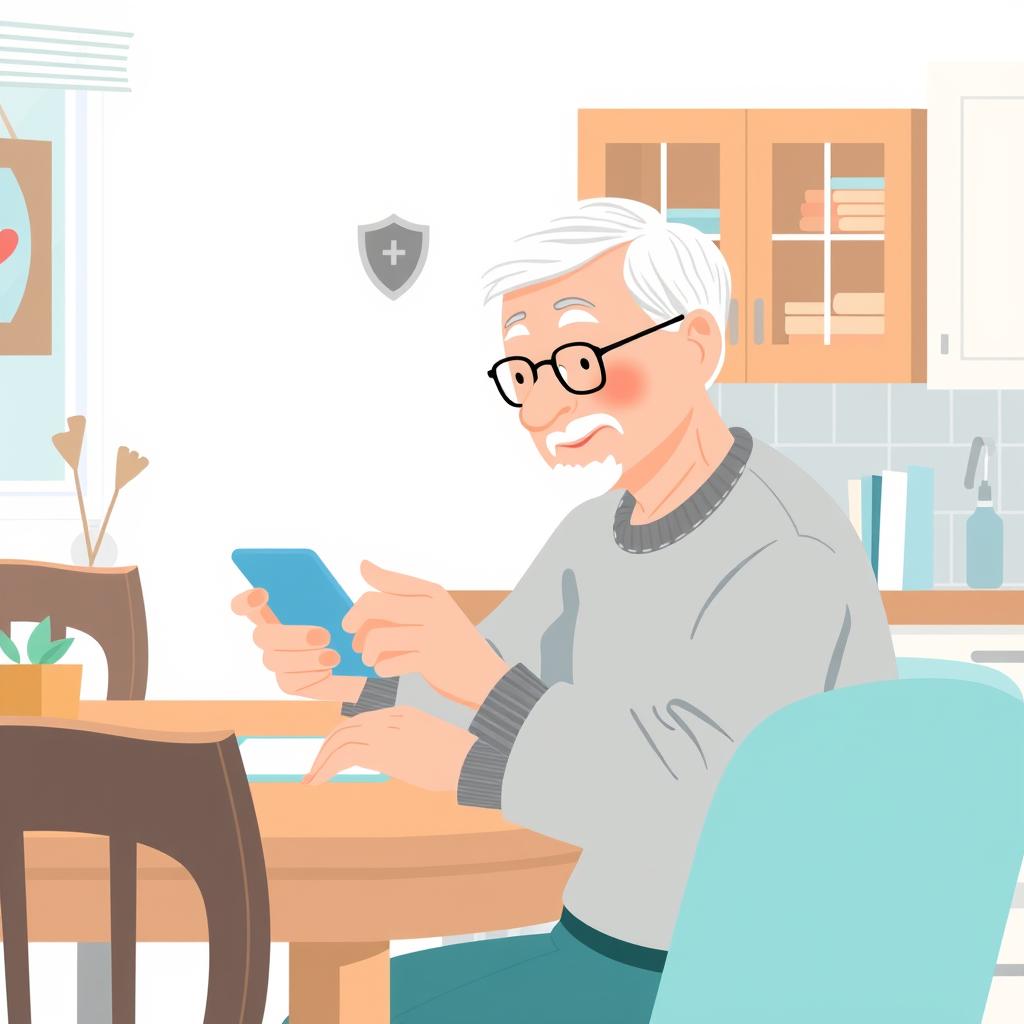
Before buying a gift card for someone who asked unexpectedly, check the request itself. The question is not whether the caller sounds polite or whether the message looks real. The question is whether the payment method makes sense.
Check who asked for the card
Ask yourself: did this person or organization contact me first? Did they create urgency? Did they tell me not to talk to anyone else? Did they ask for a specific store, brand, or amount? These are common gift card scams warning signs.
Check what they want you to do next
A scammer usually wants the code, not the physical card. They may say to scratch off the back, take a picture, send the numbers, or read the PIN aloud. Once they have that code, they can drain the value quickly.
How to Handle a Gift Card Scam Step by Step
If you are already in the middle of a call or message, you do not have to argue. You can stop the process quietly and protect yourself.
- Pause before buying anything: Put the phone down, leave the message unanswered, or step away from the checkout line for a moment.
- Do not share the numbers: If you already bought the card but have not given the code, keep the card and receipt. Do not send a photo of the back.
- Call a trusted person: Ask a family member, friend, bank representative, or local official using a phone number you already trust, not a number from the suspicious message.
- Verify through the real organization: If the caller claims to be from a utility, court, bank, store, or government agency, look up the official website or phone number yourself.
- Save evidence: Keep texts, emails, receipts, phone numbers, and screenshots if you can do so safely.
- Report quickly if you shared a code: Contact the gift card company right away and ask whether the card can be frozen or refunded. Then report the scam to the FTC.
Many scam messages arrive through the same habits used in package delivery scams. If the request came by text, our guide to spotting fake package delivery messages can help you compare the warning signs.
Common Avoiding Online Scams Mistakes to Avoid
These mistakes are understandable. Scammers design the situation to feel urgent, private, and embarrassing. The goal is not to blame yourself; it is to recognize the pattern earlier next time.
- Assuming caller ID proves identity: Phone numbers can be spoofed. A name on the screen is not enough proof.
- Believing secrecy is normal: Scammers often say not to tell your spouse, adult child, bank, or store clerk. Real help does not require secrecy.
- Buying several cards to stay under limits: If someone coaches you to split payments, use different stores, or avoid questions at checkout, stop.
- Reading codes before thinking: The numbers on the back are the money. Sharing them is like handing over cash.
- Trusting a refund promise: A scammer may say the gift card is only temporary or will be reimbursed. That is another pressure tactic.
A Simple Checklist
Use this checklist whenever anyone asks for gift cards, card numbers, PINs, photos of cards, or receipts.
- Payment method: Are they demanding a gift card instead of a normal bill payment method?
- Urgency: Are they saying you must act today, within minutes, or before talking to anyone?
- Secrecy: Are they telling you not to mention it to family, a bank, a clerk, or police?
- Threat or reward: Are they promising a prize or threatening arrest, shutoff, account closure, or embarrassment?
- Code request: Do they want the number and PIN from the back of the card?
- Verification: Have you contacted the real organization using a number you found yourself?
Gift card pressure can also appear in charity stories, especially after disasters or holidays. For donation requests, our guide to fake charity scams and safer online donations explains how to verify before giving.
Pros and Cons of Gift Cards
Useful for real gifts
A gift card can be convenient when you are choosing a present for someone you know personally.
Easy to buy
Most grocery stores, pharmacies, and big retailers sell them, which is one reason scammers choose them.
Simple spending limit
For normal personal gifts, the value is limited to the amount loaded on the card.
Hard to recover after codes are shared
Once a scammer has the number and PIN, the money may disappear quickly.
Common in pressure scams
Scammers use gift cards because many people recognize them and can buy them quickly.
Can feel less serious than cash
The packaging may make the request seem ordinary, even when the situation is dangerous.
When to Get Extra Help
Get help immediately if you already bought cards, shared codes, or gave personal information during the conversation. Call the gift card company using the number on the card or its official website. Ask whether the card balance can be frozen or whether a fraud report can be opened.
If the scammer has your Social Security number, bank details, password, or account code, also contact the relevant bank or account provider. Do not rely on the scammer’s instructions for how to fix it.
Frequently Asked Questions
What should I check first if someone asks for gift cards?
Check whether they want the number or PIN from the back of the card. If they do, treat it as a scam and verify through a trusted source before doing anything else.
Can a real company ever require gift cards for payment?
A normal company may sell gift cards, but it should not demand gift card codes to fix a bill, release a prize, stop an arrest, repair a computer, or solve an account emergency.
What if I already bought the cards but did not share the codes?
Keep the cards and receipts. Do not send photos or read the numbers aloud. Ask the store or card issuer about your options, and talk with someone you trust before taking another step.
What if I already gave the codes to a scammer?
Contact the gift card company as quickly as possible and report the situation. Then report the scam to the FTC and save any messages, receipts, and phone numbers connected to the request.
Final Thoughts
The clearest gift card scams warning signs are pressure, secrecy, and a demand for the card code. You do not have to decide while someone is rushing you. A short pause can protect your money and your peace of mind.
If anyone asks you to pay with a gift card, stop and verify through a trusted source. Gift cards are for birthdays, holidays, and personal gifts, not for threats, fees, fines, computer repairs, or emergency payments demanded by strangers.