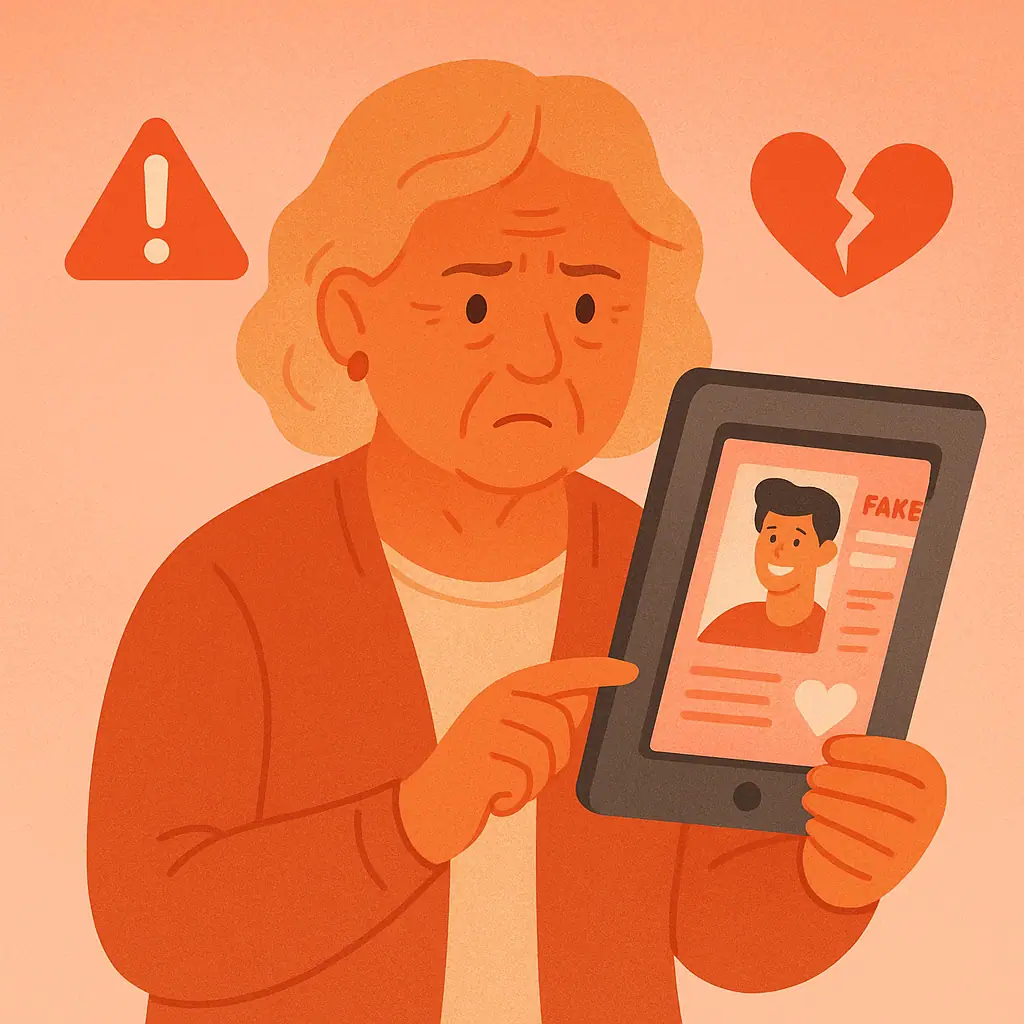
Fake charity scams donate safely online is a real concern for generous people who want to help without being tricked. Scammers know that kindness can make us move quickly, especially after a disaster, a sad news story, or a message from someone who sounds official.
The good news is that you do not need to become a technology expert to give safely. A few calm checks can help you separate a real charity from a rushed request, a copied name, or a payment method that puts your money at risk.
Why Fake Charity Scams Matter
Charity scams often work because they sound emotional and urgent. A caller, email, text, or social media post may say that children, veterans, disaster victims, or animals need help immediately. The cause may be real, but the person collecting money may not be.
The FBI explains that charity fraud schemes may collect donations for organizations that do little or no real work, or for fake groups created to keep the money. That is why it is safer to pause, research the organization, and give through a trusted path instead of reacting to the first message you receive.
Scams can also copy the style of real organizations. The name may be one word different, the website may look professional, and the message may include photos or stories that feel believable. When something seems urgent, your safest first step is not to donate less generously. It is to donate more carefully.
Start With Avoiding Online Scams Basics
The first rule is simple: do not use the link or phone number from an unexpected message as your only source of truth. If a text, email, social post, or caller asks for a donation, write down the charity name and then open your browser yourself.
Search for the charity name along with words such as complaint, review, rating, fraud, or scam. The FTC’s guide on giving to charity safely recommends researching the organization, checking how donations are used, and confirming registration when that matters to you.
This same pause-and-check habit can protect you in other situations too. For example, if a message uses a trusted name to create panic, review the warning signs in our guide to fake Medicare emails, calls, and websites before you respond.
What to Check First Before You Donate
Before entering your card number or sending money, look for clear answers to a few basic questions. You are not being rude by asking. You are protecting your donation so it reaches the people or cause you meant to help.
Check the exact charity name
Scammers may use names that sound close to well-known charities. Read the name slowly. Look for missing words, extra words, odd spelling, or a website address that feels slightly off. If you are unsure, search for the organization independently instead of clicking a link.
Check what the charity actually does
A real charity should explain its programs in plain language. Look for details about who receives help, where the work happens, and how donations are used. Be cautious if the appeal is full of emotion but gives almost no practical information.
Check the payment method
Credit card or check is usually safer because there is a clearer record. Be very cautious if someone insists on gift cards, wire transfers, cryptocurrency, cash, or payment apps as the only way to donate. Those payment methods are harder to reverse and are common in scams.
How to Donate Online Safely Step by Step
Use this simple process whenever you feel moved to give. It keeps the heart of generosity while adding a short safety pause.
- Pause for ten minutes: Do not donate while a caller is pressuring you or while an upsetting message is still fresh.
- Write down the charity name: Include the website, phone number, and any fundraiser name if someone contacted you directly.
- Search independently: Open a browser and search the charity name with words like review, rating, complaint, fraud, or scam.
- Visit the official website yourself: Do not rely only on a link from an email, text, or social media post.
- Look for program details: Make sure the charity explains how money is used and what work your donation supports.
- Use a safer payment method: Prefer a credit card or check when possible, and avoid gift cards, wire transfers, or cryptocurrency requests.
- Keep a record: Save the receipt, confirmation email, or bank record in a folder you can find later.
When donations are requested through a message, the same link-checking habits matter. If you want a refresher, our guide on how to verify whether a website is legitimate explains simple signs to review before entering personal information.
Common Charity Scam Mistakes to Avoid
Most mistakes happen when a scammer makes the situation feel too urgent. You may hear that the fundraiser is closing in one hour, that your neighbors already donated, or that victims need help before you hang up. A real need can exist, but you still have time to verify where your money is going.
- Do not trust caller ID alone: Names and numbers can be spoofed, which means they can be made to look local or official.
- Do not donate for a guaranteed prize: If someone says a donation makes you eligible for a prize, treat that as a serious warning sign.
- Do not send codes from gift cards: Real charities do not need gift card numbers scratched off and read over the phone.
- Do not assume a friend’s social post is safe: Their account may have shared a link without checking it, or the fundraiser may not be who it claims to be.
- Do not ignore your statement afterward: Review your credit card or bank account to make sure the amount is correct and not recurring unless you chose that option.
Package, bank, charity, and government scams often use similar pressure tactics. If you notice urgent language or a suspicious link, compare it with the patterns in our article about fake package delivery messages.
A Simple Donation Safety Checklist
Before you give, ask yourself these yes-or-no questions:
- Do I recognize the charity and its exact name? If not, research it first.
- Did I find the website myself? If you arrived from a surprise link, start over by searching independently.
- Does the charity explain how donations are used? Vague claims are a reason to pause.
- Can I pay by credit card or check? If the only option is a gift card, wire transfer, cryptocurrency, or cash, stop.
- Do I have a receipt or record? Keep one for your own files and possible tax questions.
Pros and Cons of Donating Online
Fast help for real causes
Online giving can support trusted charities quickly, especially during disasters or urgent community needs.
Easy records
Many online donations provide email receipts that are easier to save than paper notes.
More time to compare
You can open several trusted sources and review a charity calmly before deciding.
Look-alike websites
Fake pages can copy names, colors, and emotional images from real charities.
Pressure messages
Texts, emails, and social posts can make giving feel urgent before you have checked the facts.
Hard-to-reverse payments
Gift cards, wire transfers, cryptocurrency, and some payment apps may leave you with fewer recovery options.
When to Get Extra Help
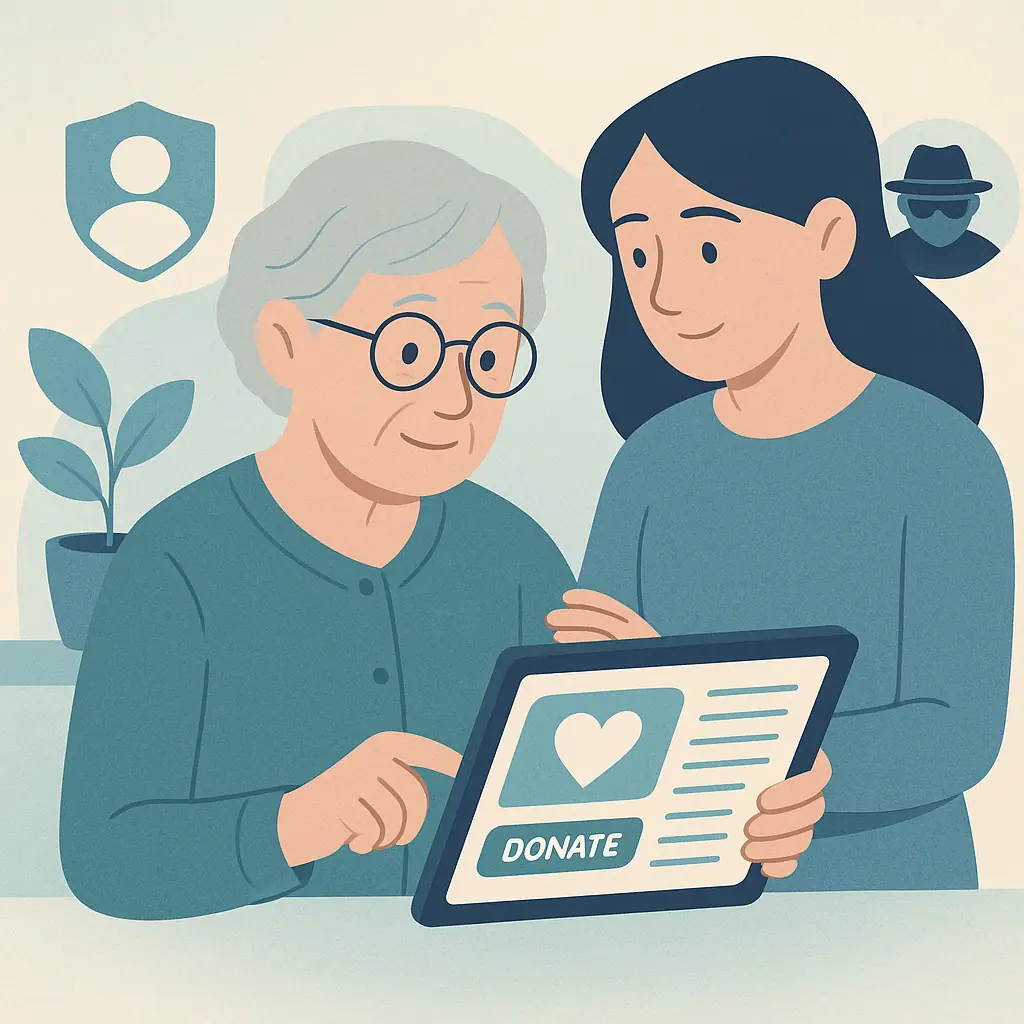
Ask for help if you feel rushed, confused, or emotionally pressured. A trusted family member, friend, banker, or local senior center staff member can help you look up the charity before you donate.
If you believe you already gave money to a scammer, contact your bank or credit card company quickly. You can also report charity scams to the FTC through ReportFraud.ftc.gov, and the FBI notes that charity or disaster fraud can be reported through IC3.gov.
Frequently Asked Questions
What should I check first before donating to a charity online?
Start with the exact charity name. Search it yourself with words like review, rating, complaint, fraud, or scam before clicking any donation link.
Is it safe to donate through social media?
It can be, but do not assume every fundraiser is verified. Check who receives the money, research the charity, and consider donating directly on the charity’s official website.
What payment method is safest for charity donations?
A credit card or check is usually safer because it creates a clearer record. Be very cautious with gift cards, wire transfers, cryptocurrency, cash, or payment apps requested by strangers.
What should I do if I am not sure a charity is real?
Do not guess. Pause, research the organization independently, and ask a trusted person to review it with you before sending money or personal information.
Final Thoughts
Fake charity scams donate safely online does not mean becoming suspicious of every good cause. It means giving yourself permission to pause, verify, and choose a safer path before sending money.
Your generosity matters. When you slow down, check the charity, and use safer payment methods, you give your donation a better chance of reaching the people or mission you truly wanted to support.