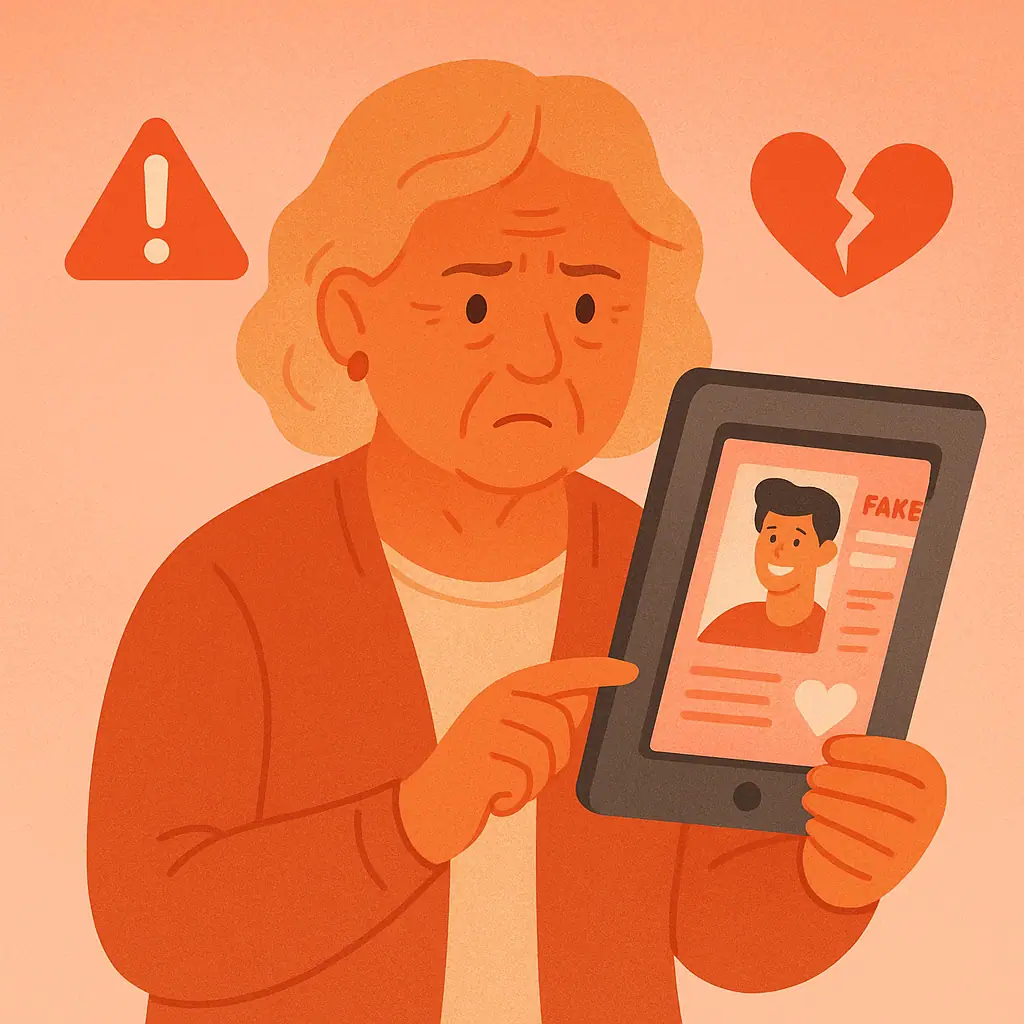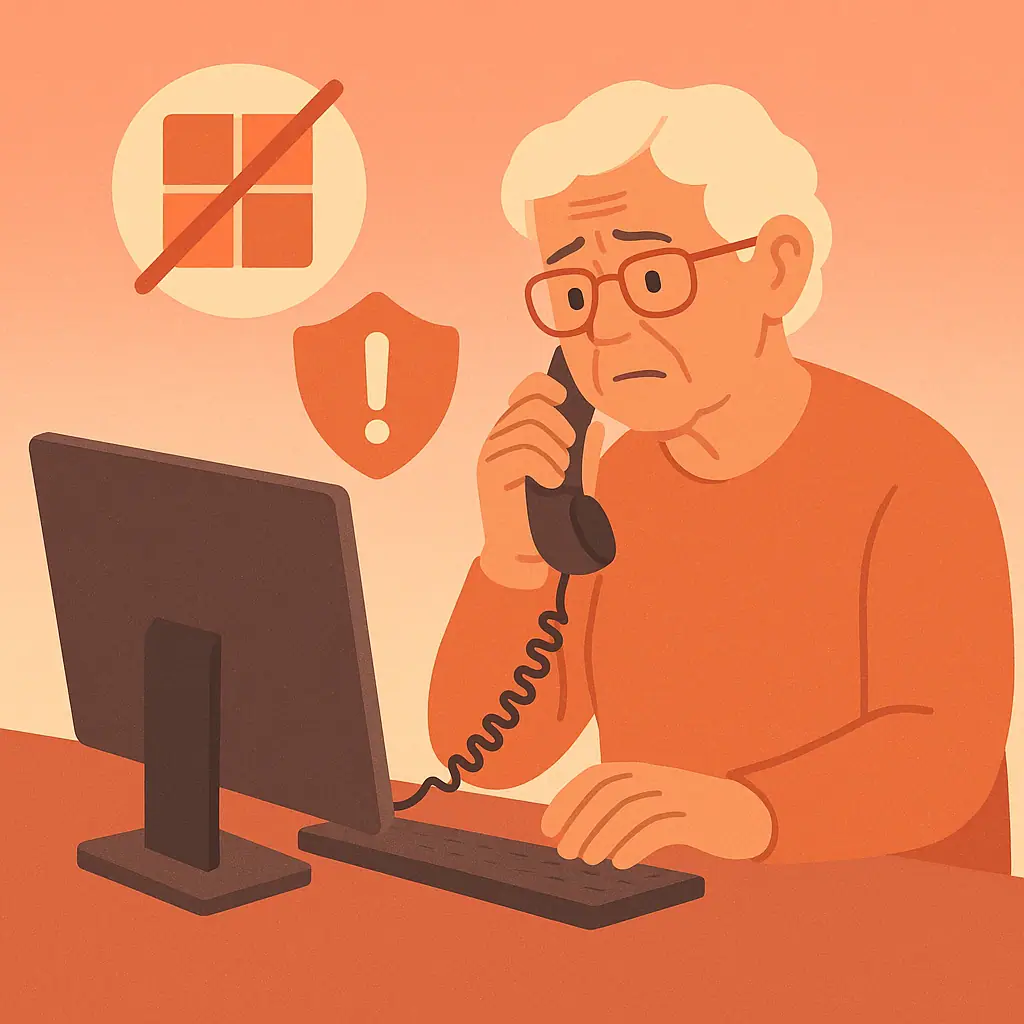
Fake work from home job scams can look especially tempting when you want flexible income, a part-time retirement job, or a simple way to work from your kitchen table. The offer may sound friendly and professional. It may even include a company name you recognize.
The safest approach is not to panic and not to rush. A real employer will give you time to read, ask questions, and verify the offer. A scammer usually wants you to act before you have a chance to think.
This guide walks through the warning signs in plain language: fake checks, equipment fees, unrealistic pay, and requests for personal information too early in the process.
Why Fake Work from Home Job Scams Matter
Remote work is real, and many honest employers do hire people for online or phone-based work. That is exactly why fake offers can be hard to judge. Scammers copy the language of real job listings and then add one dangerous step, such as asking you to deposit a check, buy equipment from a special vendor, or share sensitive information before you are truly hired.
The Federal Trade Commission explains that job scammers often want either your money or your personal information. Its official FTC job scams guidance is worth reviewing if an offer feels urgent, unusually generous, or confusing.
Start With the Offer, Not the Excitement
When an offer arrives, read it slowly. Ask yourself whether you applied for this job, whether the company name matches the email address, and whether the message explains the work clearly. A vague job can be a warning sign.
Look at how they contacted you
Unexpected texts, social media messages, and chat-only interviews deserve extra caution. Some real recruiters use messaging tools, but a real hiring process should still connect back to an official company website, a real business email address, and a written job description.
If the message reminds you of other online scam patterns, compare it with SenorSafe's guide to spotting fake package delivery messages. The topic is different, but the habit is the same: pause, inspect the sender, and avoid clicking quickly.
Notice pressure and secrecy
Be careful if the person says you must decide today, keep the offer private, or pay before you can begin. Honest employers do not need secrecy to hire you.
What to Check First Before You Reply
Before you answer, do a short verification routine. You do not need special software. You only need to compare the offer with sources you trust.
- Search the company name: Look up the company name with words like scam, complaint, and review.
- Check the domain: A real company email should usually match the company website, not a free email address or a lookalike spelling.
- Read the job description: It should explain duties, schedule, pay range, and who supervises the work.
- Verify through the company website: Go to the site yourself instead of using a link in the message.
- Ask a trusted person: A second set of eyes can spot pressure or odd wording you may have missed.
Scammers also use fake investment-style promises, such as tiny tasks that supposedly produce large payouts. If an offer sounds like easy money with almost no work, read SenorSafe's guide to avoiding fake investment opportunities online before you continue.
How to Handle a Work-from-Home Offer Step by Step
Use this calm sequence before sending money, banking details, a Social Security number, or identity documents.
- Save the message. Keep a copy of the email, text, or chat in case you need to report it later.
- Do not click the first link. Search for the company separately and use the official website.
- Find the real careers page. Check whether the job is listed there or whether the company warns about recruiting scams.
- Ask about the interview process. A real employer should be willing to explain who you are speaking with and what happens next.
- Refuse upfront payments. Do not pay for training, software, background checks, starter kits, or equipment as a condition of getting the job.
- Reject check-and-send-money instructions. Do not deposit a check and then buy equipment, gift cards, cryptocurrency, or money orders for the employer.
- Protect personal information. Do not send your Social Security number, driver's license, bank login, or direct deposit details until you have verified the employer and accepted a real job.
- Walk away if pressured. A good opportunity will not disappear because you took time to verify it.
Common Warning Signs to Avoid
Many fake job and work-from-home scams reuse the same patterns. Once you know the patterns, the offer becomes easier to judge.
Clear company details
The employer has a real website, matching contact information, and a job listing you can verify outside the message.
No upfront money
The employer does not ask you to pay for equipment, training, checks, shipping, or software before you begin.
Normal hiring steps
The process includes clear interviews, written expectations, and time for you to review paperwork.
Too much pay for vague work
High pay for simple tasks with little explanation can be bait, especially when the company avoids details.
Money movement requests
Any request to deposit a check, forward money, buy gift cards, or use cryptocurrency is a major warning sign.
If the offer asks you to pay through gift cards or codes, compare it with SenorSafe's guide to gift card scam warning signs. Real employers do not pay or hire people through gift card codes.
A Simple Checklist Before You Say Yes
Use this checklist any time a remote job offer appears in your email, phone, or social media inbox.
- Did I apply for this job? If not, treat it as unverified until proven otherwise.
- Can I find the job on the official website? Use your own search, not the message link.
- Does the email address match the company? Watch for misspellings and free email accounts.
- Are they asking for money? Upfront payments are a serious warning sign.
- Are they asking for personal information too early? Protect your Social Security number and bank details.
- Can I talk to a trusted person first? A short pause can prevent a costly mistake.
When to Get Extra Help
Get extra help if you already deposited a check, shared personal information, sent money, or gave someone remote access to your computer. Call your bank using the number on your card or statement. If you shared passwords, change them from a safe device.
You can also report the scam through the FTC's official ReportFraud.ftc.gov website. Reporting helps agencies track patterns, even if you are not sure whether the offer was definitely fake.
If the message came through social media, email, or a job board, report it on that platform too. Keep screenshots and messages, but do not continue chatting with the suspected scammer.
Frequently Asked Questions
What should I check first in a work-from-home job offer?
Start by checking whether you can find the job on the employer's official website. Then compare the email address, job description, and hiring process with what the company shows publicly.
Is it always a scam if they send me a check for equipment?
It is a major warning sign. Do not deposit the check and send money to a vendor. Contact the company through an official phone number or website before taking any action.
What should I do if I already sent personal information?
Act quickly but calmly. Contact your bank if financial information was involved, change affected passwords, consider a credit freeze if sensitive identity information was shared, and report the incident.
Can a real remote job interview happen by chat?
Some early scheduling may happen by message, but be cautious if the entire process stays in chat, the pay is unusually high, or they ask for money or personal details before a real hiring process.
Final Thoughts
Fake job and work-from-home scams work best when they make you feel excited, rushed, or afraid to miss out. Give yourself permission to slow down. A real employer will still be there after you verify the basics.
Before you say yes, check the company, refuse upfront payments, protect your personal information, and ask someone you trust to review the offer. That small pause can protect your money, your identity, and your peace of mind.