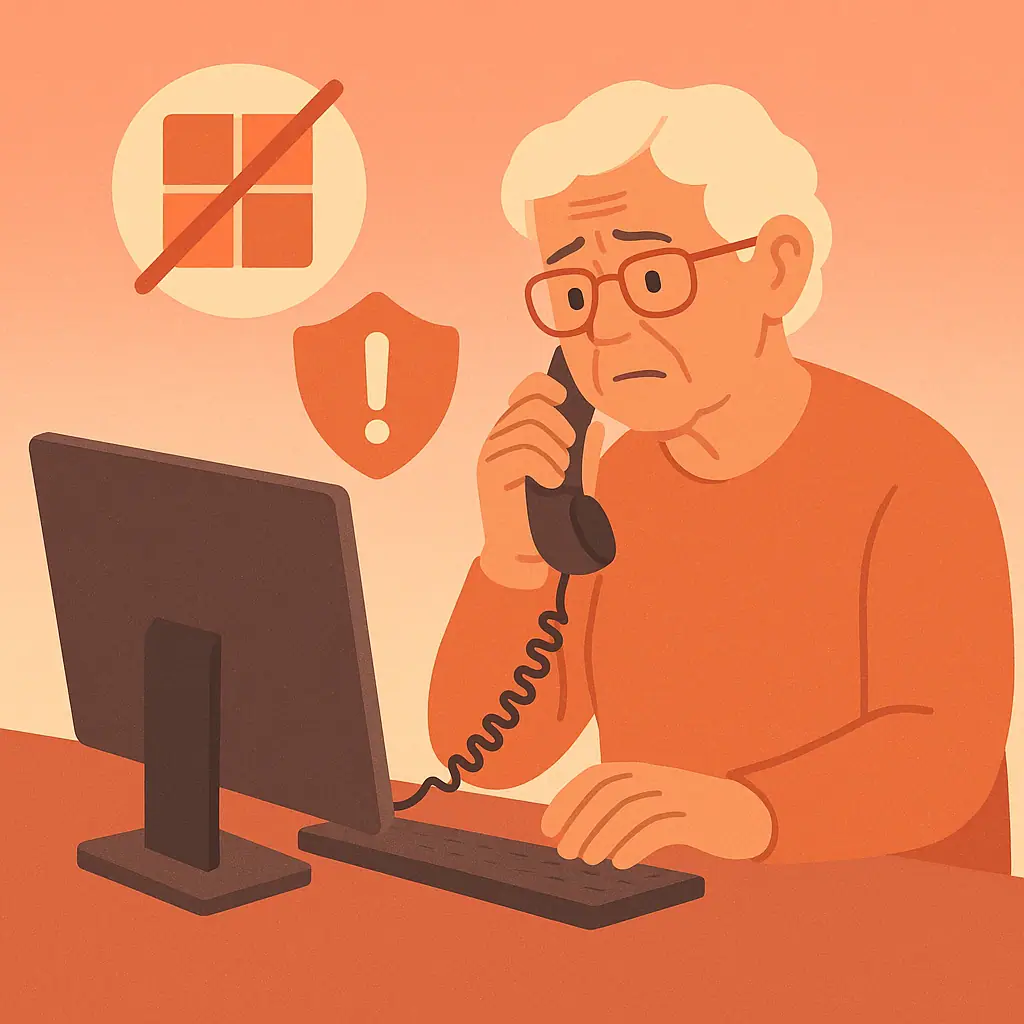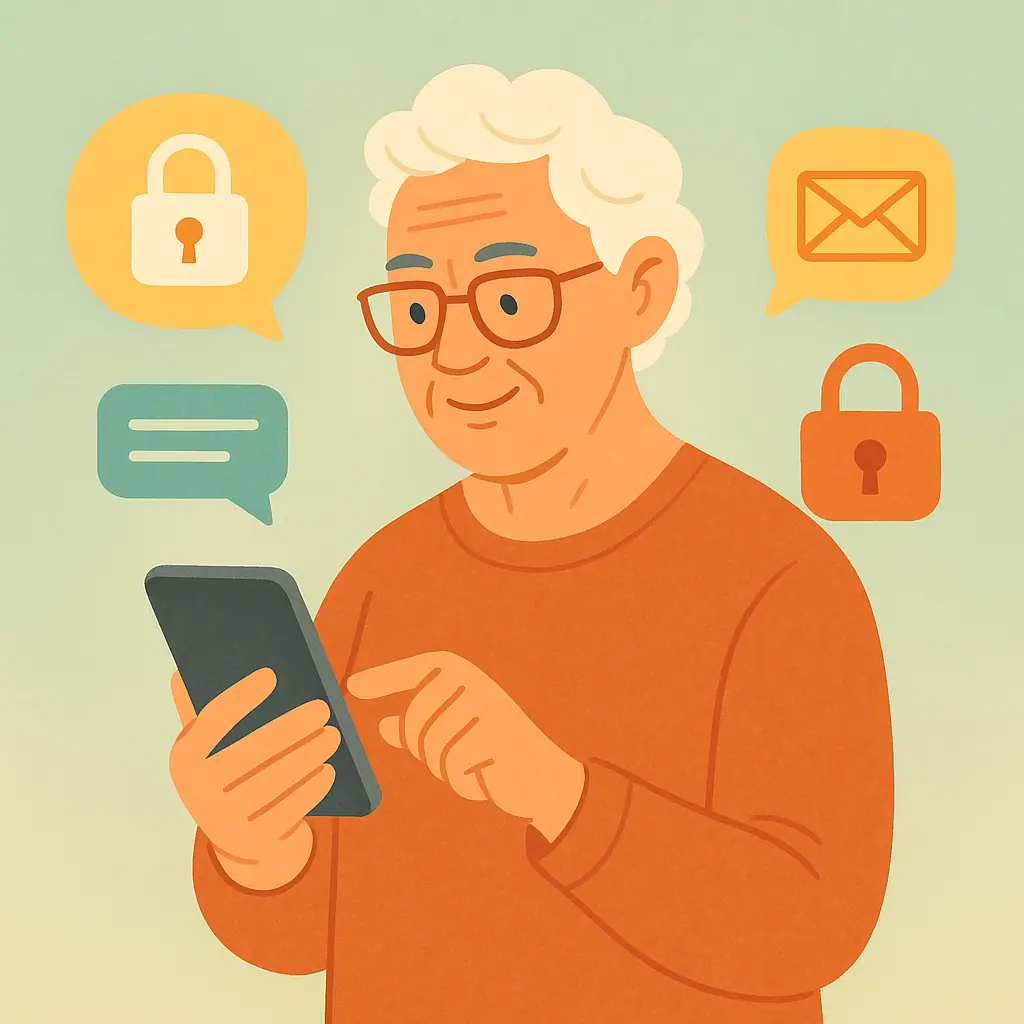
Your private messages should stay private. With data breaches affecting millions of users annually and messaging apps collecting vast amounts of personal data, choosing the right platform for your conversations has never been more important.
Whether you're sharing family photos with loved ones or discussing sensitive matters, you deserve to know which messaging apps truly protect your privacy. Here's what we'll cover:
- The most secure messaging apps available today
- Key privacy features to look for
- Simple setup steps for each recommended app
Let's walk through your safest options for private messaging.
What Makes a Messaging App Secure
Think of messaging app security like sending a letter. With regular mail, anyone handling your letter could potentially read it. Secure messaging is like putting your letter in a locked box that only you and the recipient have keys to open.
Here are the essential security features every private messaging app should have:
- End-to-end encryption: Your messages are scrambled so only you and the recipient can read them
- No message storage: The company doesn't keep copies of your conversations
- Self-destructing messages: Messages automatically delete after a set time
- Minimal data collection: The app doesn't harvest your personal information
Why Private Messages Matter for Your Safety
According to the Federal Trade Commission, Americans lost over $8.8 billion to fraud in 2022, with much of this starting through compromised communications. Your messaging app choice directly impacts your vulnerability to scams, identity theft, and privacy violations.
When your messages aren't properly protected, you risk:
- Identity theft: Criminals can piece together personal details from intercepted messages
- Financial fraud: Banking information and transaction details become vulnerable
- Privacy invasion: Personal conversations and photos can be accessed by unauthorized parties
The Top 3 Safest Messaging Apps
After evaluating security features, ease of use, and privacy policies, these three apps offer the best protection for your private conversations.
1. Signal: The Gold Standard
🏆 Signal — Maximum Privacy
Used by privacy experts and recommended by security professionals worldwide. Signal offers military-grade encryption with a simple, familiar interface that feels just like regular texting.
Why Signal is safest: Signal encrypts everything automatically, stores no message data, and is completely open-source, meaning security experts can verify its safety.
2. WhatsApp: Popular and Secure
📱 WhatsApp — Familiar and Protected
With over 2 billion users worldwide, WhatsApp provides strong encryption while maintaining the ease of use most people expect from a messaging app.
WhatsApp's strengths: End-to-end encryption is enabled by default, disappearing messages are available, and most of your friends and family likely already use it.
3. iMessage: Built-in iPhone Security
🍎 iMessage — Seamless Apple Protection
If you and your contacts use iPhones, iMessage automatically encrypts your conversations without requiring any additional apps or setup.
iMessage benefits: Automatic encryption between Apple devices, integration with your existing contacts, and no separate app needed.
Practical Tips for Secure Messaging
- Enable disappearing messages: Set messages to delete automatically after 24 hours or 7 days
- Verify contacts: Use built-in verification features to confirm you're messaging the right person
- Keep apps updated: Install security updates promptly when they become available
- Use strong PINs or passwords: Protect your messaging apps with secure lock screens
- Be selective about groups: Only join group chats with people you trust completely
Pros and Cons of Secure Messaging
Complete Privacy Protection
Your conversations remain private even if the messaging company is hacked or pressured to share data.
Protection from Scammers
Encrypted messages can't be intercepted by criminals looking to steal your personal information.
Peace of Mind
You can share freely with family and friends without worrying about who else might be listening.
Learning New Apps
You may need to convince friends and family to switch to more secure messaging platforms.
Missing Convenience Features
Some secure apps lack features like message scheduling or extensive emoji collections.
Frequently Asked Questions
Is WhatsApp really safe since Facebook owns it?
WhatsApp uses the same encryption technology as Signal, so your message content remains private. However, WhatsApp does collect some metadata about when and how often you message.
Do I need to pay for secure messaging?
No. Signal, WhatsApp, and iMessage are all completely free to use. You only need an internet connection or cellular data.
Can I use these apps for video calls too?
Yes! Signal, WhatsApp, and iMessage all offer encrypted video calling with the same privacy protections as their text messaging.
What if I don't have a smartphone?
Signal and WhatsApp both offer desktop versions you can use on your computer. iMessage works on iPads and Mac computers as well.
Final Thoughts
Protecting your private conversations doesn't require technical expertise—it just requires choosing the right tools. Signal offers maximum privacy, WhatsApp provides security with widespread adoption, and iMessage works seamlessly if you're in the Apple ecosystem.
Start with whichever app feels most comfortable to you, then gradually encourage your most important contacts to join you there. You don't need to be a tech expert to take control of your messaging privacy.