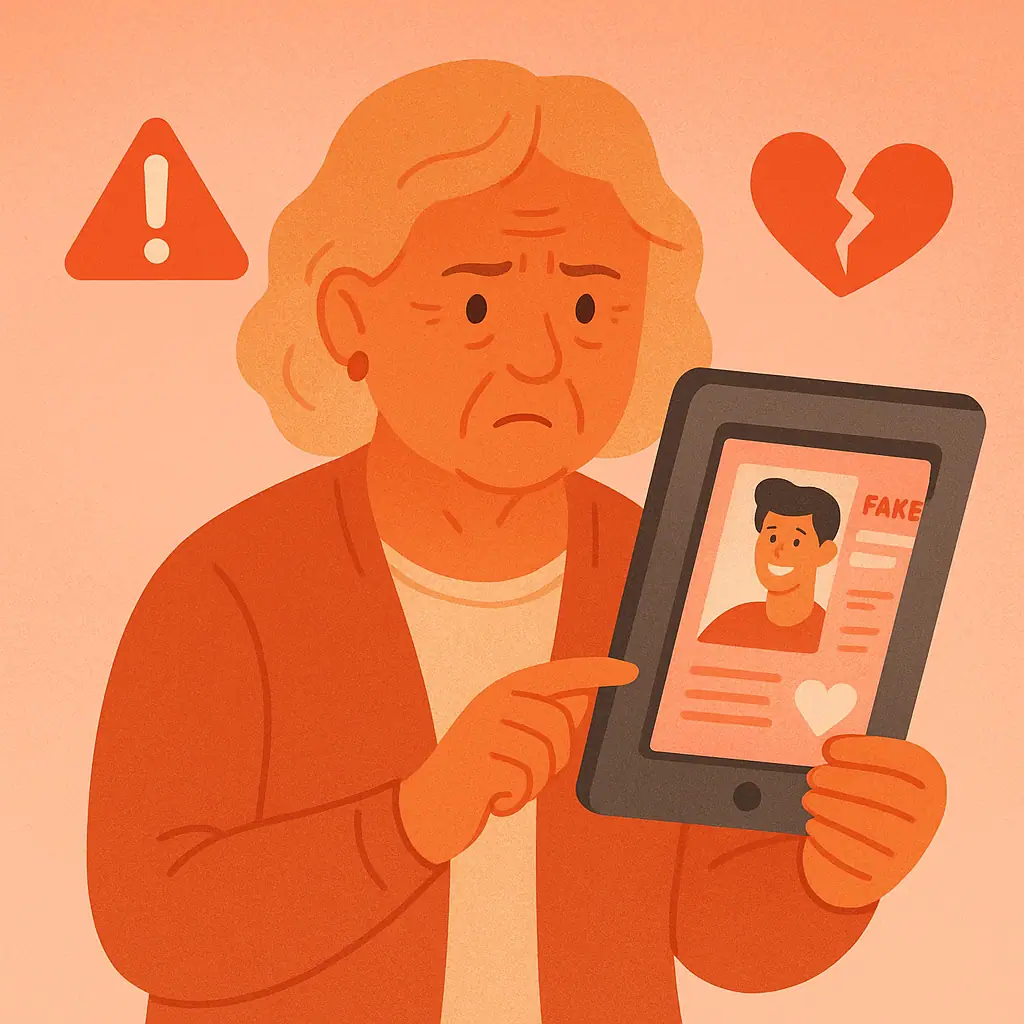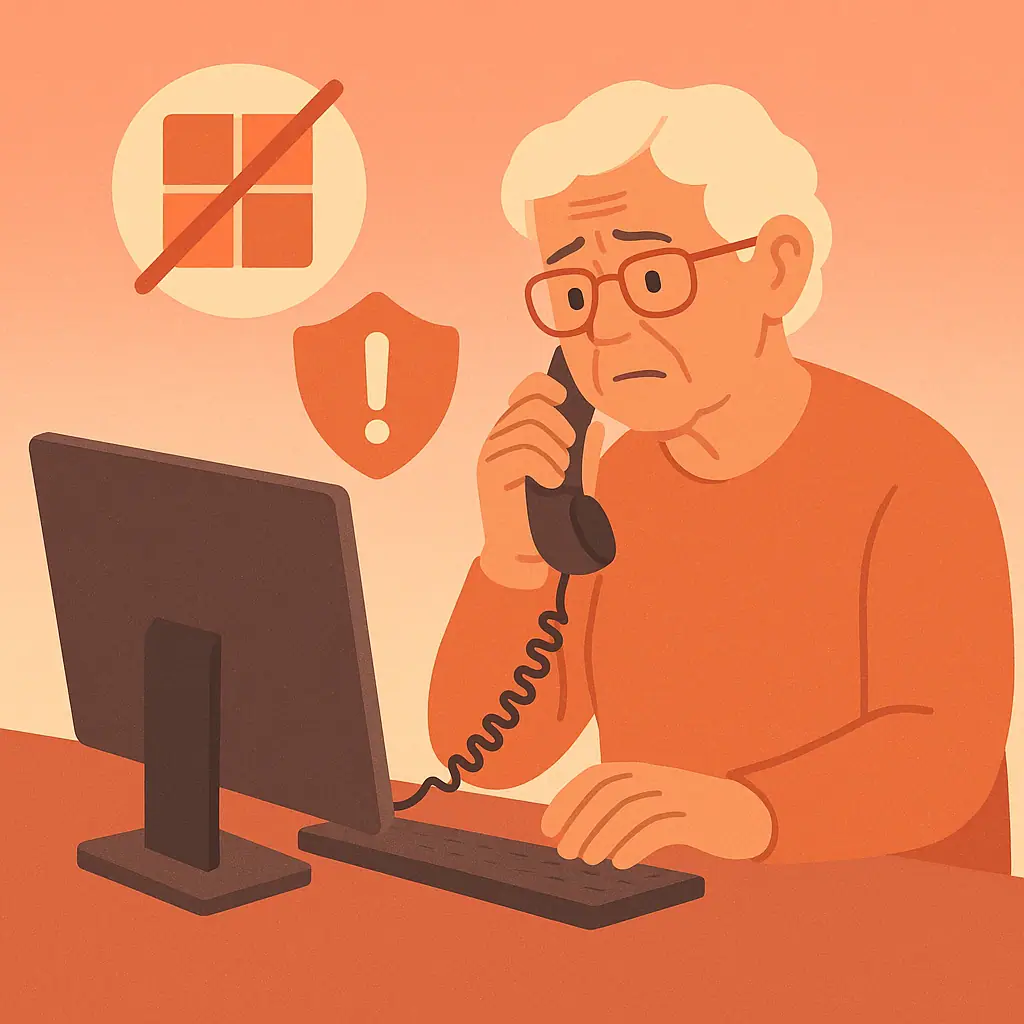
Sweepstakes and prize scams can feel confusing because the message often starts with something happy: "You won." The problem is that scammers use that excitement to rush people into paying fees, sharing personal information, or clicking unsafe links.
The safest first step is simple: slow down before you respond. Real prizes do not require you to send money first, and a real company will not punish you for taking time to verify the message.
Why Sweepstakes Prize Scams Warning Signs Matter
A fake prize message may arrive by phone, email, text, social media, or regular mail. It may mention a familiar company, a government-sounding department, a lottery, a gift card, or a sweepstakes you barely remember entering.
The Federal Trade Commission's Consumer Advice page on fake prize, sweepstakes, and lottery scams explains that real prizes are free and that requests for taxes, shipping, processing fees, customs duties, bank details, or credit card numbers are strong scam signs.
Start With Avoiding Online Scams
Prize scams work because they mix hope with urgency. The message may say you have only a short time to claim the prize, or that the prize will be given to someone else if you do not answer now.
That pressure is the clue. A legitimate company can explain its rules in writing, give you time to review them, and let you contact the company through its public website or official phone number.
What a real prize should not ask for
A real prize should not require payment by gift card, wire transfer, cryptocurrency, payment app, prepaid card, or cash in the mail. It also should not require your Social Security number, bank account, or credit card number just to claim a simple prize.
Why scammers mention taxes and fees
Scammers know that "taxes" and "fees" sound official. In real life, taxes may matter after certain winnings, but a caller or message demanding upfront payment is not how a legitimate prize is handled.
What to Check First for Sweepstakes and Prize Scams
Before replying, ask one plain question: did I knowingly enter this sweepstakes? If the answer is no, you should be very skeptical. You cannot win a contest you did not enter.
Next, look at how the message wants you to respond. If it pushes you to click a link, call a number in the message, buy gift cards, keep the news secret, or send personal information, step away from it.
This same pause is useful with other scam themes. If Medicare messages worry you too, our guide to fake Medicare emails, calls, and websites shows a similar verification habit for another common target.
How to Handle a Prize Message Step by Step
Use this routine any time a prize notice appears. You do not need to decide everything in the first minute.
- Do not reply right away: Do not click links, call the number in the message, or answer personal questions.
- Look for payment demands: Any request for taxes, delivery, processing, insurance, or customs fees before the prize arrives is a major warning sign.
- Check whether you entered: If you did not enter, assume the notice is fake.
- Find the company yourself: Search for the official website or customer service page. Do not use contact details supplied by the message.
- Search the name with scam words: Try the company or contest name plus words like scam, complaint, or review.
- Ask a trusted person: Show the message to a family member, friend, bank employee, or local consumer protection office before sending anything.
- Delete or block if it looks wrong: If the message asks for money or sensitive information, delete it and block the sender when possible.
- Report the scam: If you lost money or shared information, report it to the FTC at ReportFraud.ftc.gov and contact your bank or card company quickly.
Common Avoiding Online Scams Mistakes to Avoid
The first mistake is trusting a message because it uses a familiar name. Scammers can pretend to be well-known sweepstakes companies, retailers, charities, social media pages, or government agencies.
Another mistake is moving the conversation to a private channel. If someone tells you to keep the prize secret, use a special agent, or avoid asking family, that is a sign they do not want another person to slow you down.
Package scams use a similar pressure pattern. Our guide on fake package delivery messages explains how scammers use urgency and links to push people into quick mistakes.
Do not rely on caller ID
Caller ID can be misleading. A scammer can make a call look local or official. If a call says you won, hang up and verify through a number you find independently.
Do not pay with hard-to-reverse methods
Gift cards, cryptocurrency, wire transfers, cash, and many payment apps are difficult to recover after money is sent. Scammers prefer them for exactly that reason.
A Simple Checklist
- Did I enter this contest? If not, treat the message as suspicious.
- Are they asking me to pay first? Real prizes do not require upfront fees.
- Are they asking for bank, card, or Social Security details? Do not share them to claim a prize.
- Are they rushing me? Pressure is a common scam tool.
- Can I verify the company myself? Use the official website or a trusted phone number you found independently.
- Would I feel comfortable showing this to someone I trust? If the sender says to keep it secret, stop.
Pros and Cons of Taking Time to Verify
You protect your money
Slowing down gives you time to spot fake fees, gift card requests, and suspicious payment methods.
You protect personal information
Verification helps you avoid giving away bank details, card numbers, or identity information to a stranger.
You make calmer decisions
A short pause makes the message feel less urgent and gives you room to ask for help.
It may feel disappointing
Learning that a prize is fake can be frustrating, especially if the message sounded exciting.
It takes a few extra minutes
Checking the source is slower than replying, but it is much safer than sending money or information.
When to Get Extra Help
Get help quickly if you already sent money, shared a card number, gave bank information, clicked a suspicious link, deposited a prize check, or gave out your Social Security number.
If a message mentions a bank, wire transfer, payment app, or account problem, contact your financial institution through the number on your card or statement. For broader scam patterns, our article on bank impersonation scam warning signs can help you compare the same red flags in a different setting.
Frequently Asked Questions
What should I check first in Avoiding Online Scams?
Check whether you entered the contest and whether the message asks for money or personal information. If either answer feels wrong, do not respond.
How often should I review this?
Review these warning signs whenever a prize message arrives. It is also helpful to talk about them with family before holidays, birthdays, or big shopping seasons.
What should I do if I am not sure?
Do not guess. Save the message, avoid clicking anything, and ask a trusted person to look at it with you. Verify through the company's official website, not the contact details in the message.
Can I undo a payment if I already sent money?
Sometimes you can act quickly, especially with a card, bank, or payment app. Contact the company you used to pay, explain that it was a scam, and report the fraud right away.
Final Thoughts
Sweepstakes prize scams warning signs are easier to see when you slow the moment down. A real prize should not require secret instructions, urgent payment, gift cards, bank details, or personal information before you receive it.
The next time a "you won" message appears, pause before replying. Check whether you entered, verify the company yourself, and ask for help if money or sensitive information is involved.