
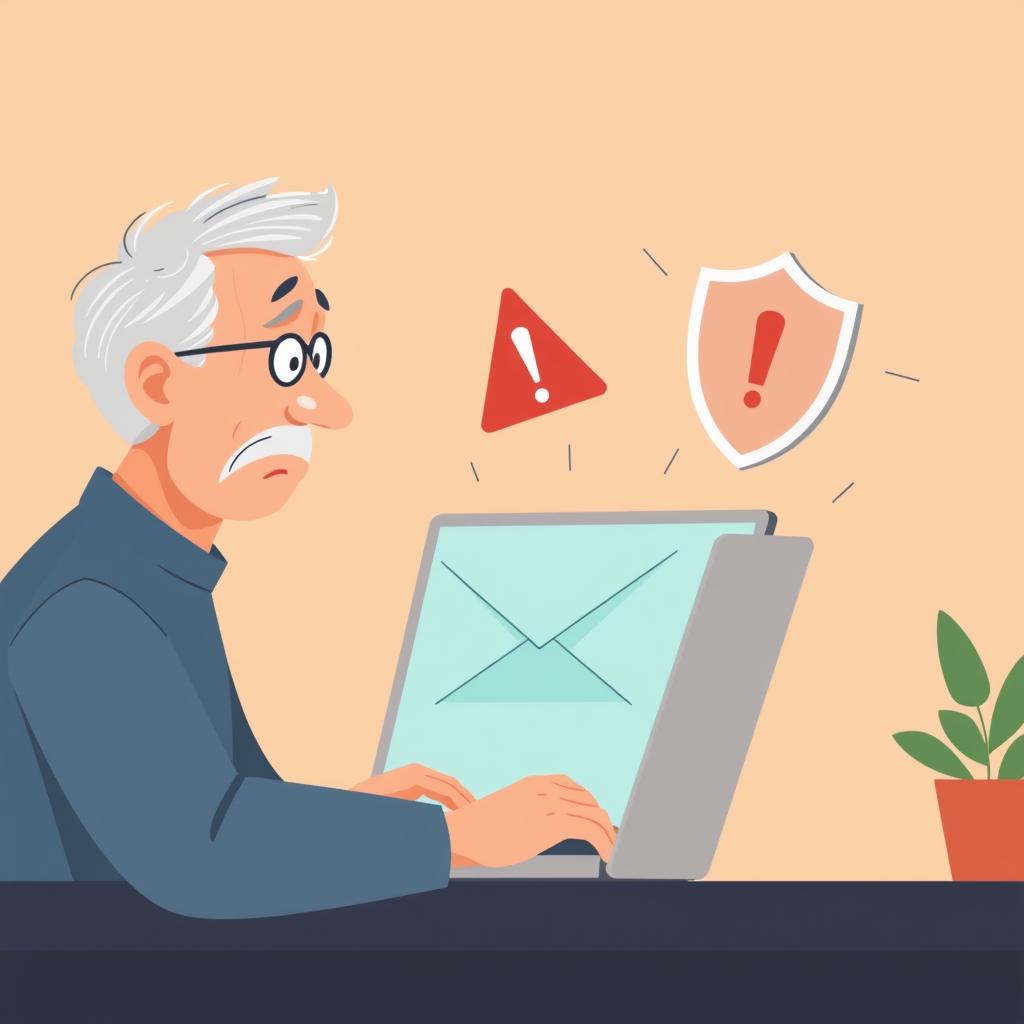
You open your email one morning and something feels off. There are messages in your Sent folder you never wrote. A friend calls asking about a strange link you supposedly shared. Your heart sinks — has someone broken into your account?
Recognizing the email account hacked signs early can mean the difference between a minor inconvenience and a major crisis. The faster you act, the less damage a hacker can do. In this guide, you will learn:
- The most common warning signs that your email has been compromised
- What to do in the first 15 minutes after you suspect a breach
- How to prevent it from happening again
Let’s walk through this together — step by step.
What Does a Hacked Email Account Look Like?
Think of your email account as your digital mailbox. If someone steals the key, they can read your letters, send mail pretending to be you, and even use your address to break into other accounts — from banking to shopping to social media.
A hacked email account does not always announce itself with dramatic warnings. Often, the signs are subtle. Here are the most common red flags:
- Password no longer works: You type your usual credentials and get locked out
- Unfamiliar sent messages: Emails in your Sent or Outbox that you did not write
- Password reset emails you didn’t request: Notifications from other services (banks, shopping sites) about password changes
- Login alerts from unknown locations: Notifications about sign-ins from devices or cities you do not recognize
- Contacts receiving spam from you: Friends or family telling you they received suspicious messages from your address
- Missing emails: Messages disappearing or being forwarded to an unknown address
Why This Matters More Than You Think
Your email is not just for messages — it is the master key to your entire digital life. According to the FBI’s Internet Crime Complaint Center (IC3), Americans over 60 reported losses exceeding $3.4 billion to cybercrime in 2023, with email compromise being one of the top attack vectors.
When a hacker controls your email, they can:
- Reset passwords on your bank accounts, Amazon, and social media
- Intercept sensitive documents like tax forms, medical records, or financial statements
- Impersonate you to scam your friends and family
Your Emergency Action Plan: What to Do Right Now
If you notice any of the warning signs above, follow these steps immediately. Do not wait — every minute counts.
Step 1: Change your password immediately. Go to your email provider’s security settings and create a new, strong password using the passphrase method. Make it at least 16 characters long and completely different from the old one.
Step 2: Enable two-factor authentication. This adds a second layer of protection so that even if someone gets your password again, they cannot get in without your phone. Follow our step-by-step 2FA guide to set this up.
Step 3: Check your account’s recovery settings. Hackers often add their own phone number or backup email to maintain access. In Gmail, go to Settings → Security → Recovery phone and Recovery email. Remove anything you don’t recognize.
Step 4: Review connected apps and forwarding rules. Check Settings → Forwarding to make sure your emails are not being secretly sent to another address. Also review third-party apps with access to your account and revoke any you do not recognize.
Step 5: Scan your computer for malware. Run a full antivirus scan on every device you use to access email. Malware like keyloggers can capture your new password as you type it.
Step 6: Change passwords on other critical accounts. If you used the same password elsewhere (banks, shopping, health portals), change those immediately. Consider using a password manager to keep track of unique passwords for every account.
Practical Tips to Stay Protected
- Check Have I Been Pwned: Visit haveibeenpwned.com to see if your email address appears in known data breaches — it is free and trusted by security experts
- Review login activity regularly: Gmail, Outlook, and Yahoo all show recent login sessions — check monthly for unfamiliar devices
- Never click password reset links you didn’t request: These could be phishing attempts designed to steal your new credentials
- Use unique passwords everywhere: A password manager makes this effortless and eliminates the biggest vulnerability
- Keep your recovery information current: Make sure your backup phone number and email are up to date so you can always regain access
Pros and Cons of Email Security Monitoring
Early breach detection
Login alerts and activity monitoring let you catch unauthorized access within minutes instead of days.
Prevents cascade attacks
Securing your email stops hackers from using it to break into your bank, shopping, and social media accounts.
Free built-in tools
Gmail, Outlook, and Yahoo all offer security dashboards and login alerts at no extra cost.
Alert fatigue
Frequent login notifications (especially when you use multiple devices) can feel overwhelming at first.
Recovery can be time-consuming
If a hacker changes your recovery info, regaining access through your email provider’s support can take days.
Frequently Asked Questions
Can a hacker read my old emails?
Yes. Once someone has access to your account, they can read, download, or forward any email in your inbox, sent folder, or archives. That is why acting quickly is so important.
Should I create a new email address if mine was hacked?
Not necessarily. If you change your password, enable two-factor authentication, and clear any unauthorized recovery settings, your existing account should be secure. Only create a new address if you cannot regain control.
How do hackers get my email password in the first place?
The most common methods are data breaches (your password leaks from another site), phishing emails that trick you into entering credentials, and malware that records your keystrokes.
Final Thoughts
Discovering that your email may have been hacked is alarming, but it is not the end of the world. With the right steps — changing your password, enabling two-factor authentication, and reviewing your account settings — you can regain control and lock the door behind the intruder.
The key is to act fast and stay vigilant. Make it a habit to check your login activity once a month, and you will catch problems before they grow.
You do not need to be a tech expert to protect your email. You just need to know what to look for.